

Still Moving: Active Travel for the Young at Heart
Today’s older travelers are redefining travel with hiking boots, bikes, paddles and bold new adventures.

I’m at an age when society expects me to slow down. Ha! Clearly, society doesn’t know me at all.
Since passing the half-century mark, I’ve completed a multi-day trek to Machu Picchu, paddled a raft down West Virginia’s New River rapids and spent a day kayaking an isolated fiord in Iceland. Just this past spring at age 65, I spent five days hiking Patagonia’s W Trek in the stunning Torres del Paine National Park in southern Chile.
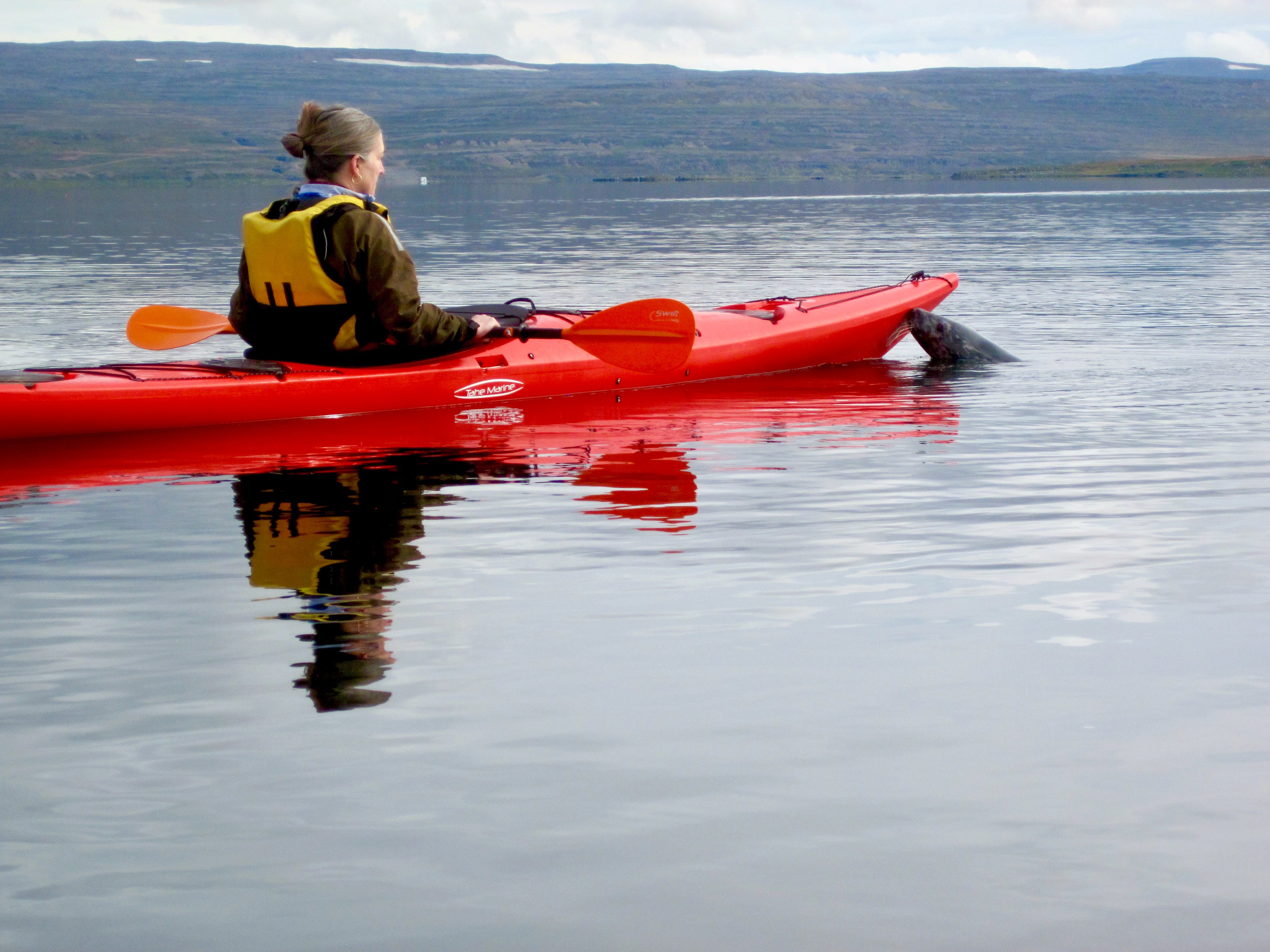
I’m far from the only Medicare-aged traveler who takes up suitcase space with bulky hiking boots and plans a vacation that has me deliberately huffing and puffing up a narrow trail. I come across plenty of other gray-haired, well-weathered (doesn’t that sound better than “wrinkled”?) people the same age and often older than me who are hiking mountain ridges or paddling up rivers and across lakes.
When I do cross paths with them, I feel as though I’ve found my tribe – even if I don’t know their names. Sometimes all it takes to build solidarity is a simple nod of recognition silently communicating to each other that we’re old, we’re out there doing shit and we’re not worried about those who say: “You really shouldn’t be doing that at your age.”
Leaving the Rocking Chair in the Rearview Mirror
The tired stereotype of seniors who only stick to sedate bus tours or slow riverboat cruises is slowly eroding as more folks of a certain age increasingly search out active travel opportunities.
Consider this: The 2024 Outdoor Participation Trends Report from the Outdoor Foundation found participation rates for Americans aged 55 to 64 increased from 41.2 percent in 2019 to 49.7 percent in 2023. Those 65 and older saw an increase from 28.8 percent in 2019 to 39.5 percent in 2023. And Camino de Santiago pilgrims ages 65+ who walked to Santiago de Compostela in Spain via the Way of Saint James accounted for about 12 percent of hikers in 2024, according to Statista.
Pretty impressive, right?
In other words, more older travelers than ever are raring to go, to stretch their legs and minds, and to plan trips that their own grandparents would’ve considered foolhardy.
Active Travel: Good for Your Body and Your Mind
Active adventuring offers more than unforgettable experiences. The physical and mental benefits just can’t be beat. The proof is in the stats. According to one 2024 study, adults 50 and older who exercise more report they have better mental and physical health. This perception is backed up by medical and longevity experts who all agree that staying physically active as we age is a good thing.
Training for and taking active vacations means you are:
Improving cardiovascular health
Building muscle strength and endurance
Strengthening bones and joints
Improving lung function
Boosting immunity
Increasing energy levels
Improving posture, balance and coordination
The mental benefits are just as impressive. They include:
Reducing stress and anxiety
Boosting mood and emotional well-being
Encouraging mindfulness and relaxation
Promoting a sense of control and purpose
Improving sleep quality
Building social connections
I’ll use myself as a case in point. Remember the W Trek mentioned earlier? I knew I faced five days of hiking steep trails in the country’s southern Patagonian mountains. In the cold. Possibly in the wind and rain. So I began training months in advance to ensure my 65-year-old body parts – especially my decrepit knees and arthritic upper back and neck – would be able to take a pounding day after day. Progressively longer and steeper practice hikes in tandem with targeted physical therapy and regular gym visits were all part of the trip buildup. Those efforts worked. I felt and saw the difference as my body and lungs grew stronger and more capable. Just as importantly, I grew increasingly confident that I could do what I set out to do.
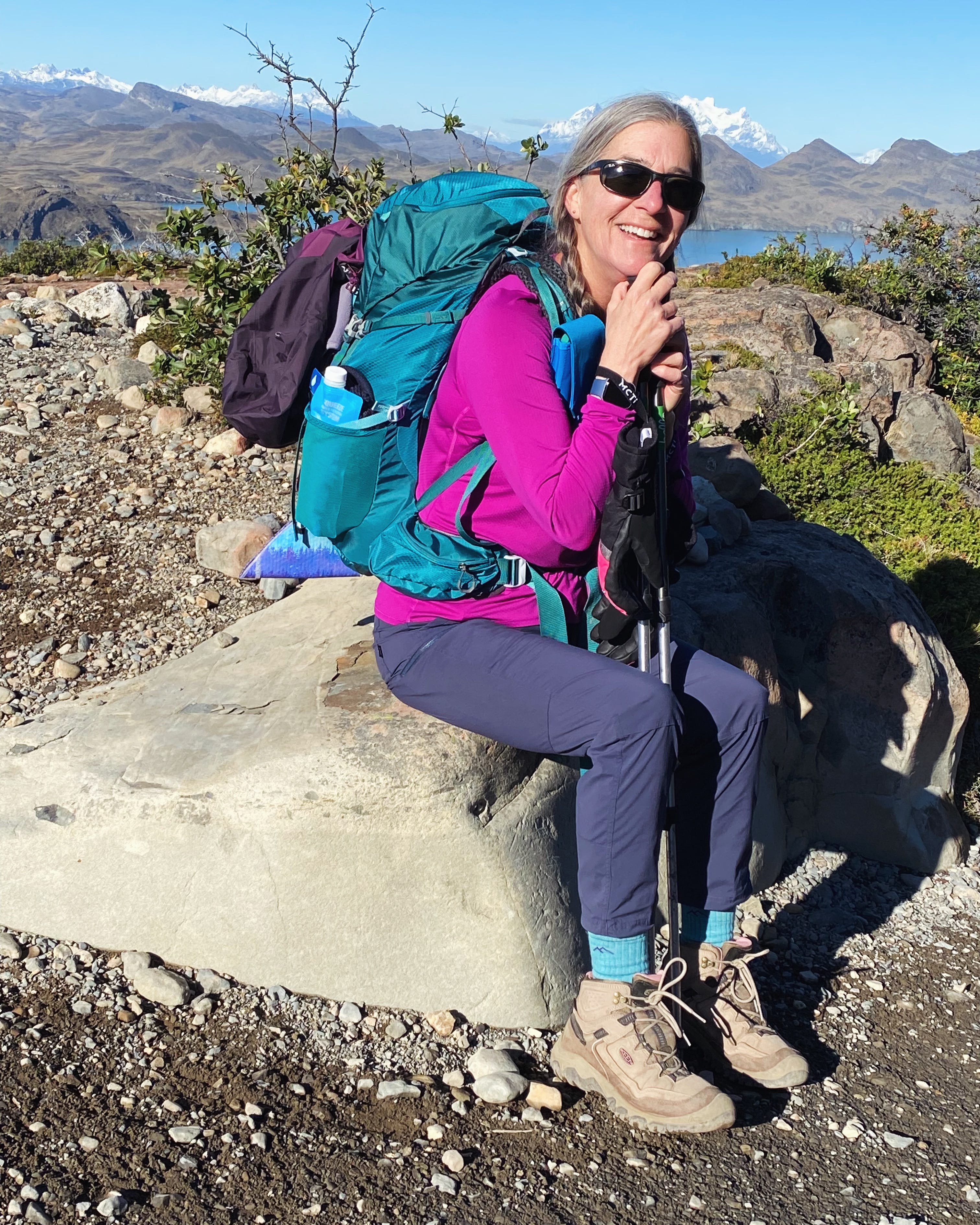
Ultimately, I completed the hike without any injuries. Not even a blister. Sure, I was exhausted at the end of each day and, sure, I did wake up each morning pretty dang stiff, but I kicked ass and am damn proud of what I accomplished. Out there in the wilderness surrounded by majestic peaks, rumbling glaciers, crisp air and no mobile signal brought me more happiness and mental satisfaction than I could have imagined. And it certainly didn’t hurt my ego one bit when the 20-something couple we’d crossed paths with several times on the trail told my husband Frank and me that they hoped they’d be hiking like us when reaching our age.
Getting Out There Doesn’t Have an Expiration Date
I’m not suggesting everyone hoist a 30-pound backpack and set off to conquer the 2,197-mile Appalachian Trail as soon as their retirement party wraps. Active travel certainly doesn’t have to be a super strenuous undertaking or an extreme sport. You won’t find me scaling sheer rock walls or jumping off a bridge while attached to a giant rubber band. I do have limits.
What I am proposing instead is that seniors who have been reluctant to pursue active travel not automatically dismiss the idea. As they say, 70 is the new 50 (unless you ask my knees). If we’re lucky, we’ve left the daily grind of work behind, giving us time to train for and tackle more adventurous trips. And chances are that we’re in better physical condition than our grandparents or parents were at the same age.
So as we enter this new phase of life, let’s not be put off by naysayers. And let’s discard the “I’m too old” thinking. The bottom line: Age should not be the reason or the excuse to sit in a rocking chair.
Me? I’m planning a possible trekking trip in Albania next year. Or maybe a cycling adventure in Norway or Scotland. I’ve also been reading about canyoning in New Zealand.
Don’t forget to smile and nod when we pass on the trail.
COMING UP SOON: Advice on how older adventurers can prepare for active travel trips.